If you drive anything built in the last decade, the windshield is more than a shield from wind and bugs. It is part of your vehicle’s brain. Cameras and sensors mounted near the rearview mirror feed advanced driver assistance systems, the features that nudge you back into your lane, warn you about a car hidden in the next lane, or hit the brakes when traffic suddenly stops. In Columbia, where downtown commutes meet interstate speeds and summer storms, those systems earn their keep. When that glass cracks, the job isn’t simply about swapping a pane. It is about restoring structural integrity while keeping ADAS calibrated and trustworthy.
I have worked on glass in parking garages off Main Street, in driveways in Lake Carolina, and at shops tucked along Two Notch and Garners Ferry. The process can be routine or it can be tricky, depending on your vehicle and how the damage happened. The right approach starts with understanding how your windshield interacts with your safety systems and what to expect from modern auto glass repair in Columbia.
Why windshields matter more than people realize
Every modern windshield contributes to three things: structure, visibility, and safety system performance. Structure matters first. On many vehicles, the windshield supplies 20 to 40 percent of the roof’s rigidity during a rollover. The urethane bond is part adhesive, part structural member. If a shop rushes the curing time or uses a low-grade adhesive, the bond can fail under load. I have seen weak bonds show up as wind noise at highway speeds and, in one case, a small water leak that became a major mold problem after a wet spring.
Visibility seems obvious, but details matter. Factory glass typically carries a green or blue tint band, acoustic interlayers that reduce noise, and sometimes hydrophobic coatings. Aftermarket glass can be excellent or mediocre. A mediocre pane distorts at the edges and makes night driving tiring. A good shop will walk you through the options, especially if you are sensitive to glare or commute on I-26 before sunrise.
Safety systems tie it all together. The camera bracket bonded to the upper center of the windshield is the foundation for lane departure warnings, adaptive cruise control, and automatic emergency braking on many models. Replace the glass, move the bracket by a few millimeters, and the camera’s view shifts. Without proper windshield calibration, your ADAS may think the lane paint is a foot to the left. You will still get chimes and icons, but the assistance will be off. That is not a small nuisance at 60 miles per hour in wet weather.
When a chip is just a chip, and when it is not
Not every crack demands a new windshield. I have saved hundreds of panes with timely windshield chip repair in Columbia, especially after gravel-heavy winter maintenance or summer road construction on Broad River Road. Resin fill works if the damage is small, outside the driver’s primary sight area, and caught early. Think nickel-size or smaller for star breaks, quarter-size for bulls-eyes, and cracks under three inches, with some leeway depending on pattern and location.
Timing matters. A chip can bloom into a crack after one hot afternoon and a blast of AC. Once a crack runs to the edge or across the driver’s view, repair quality drops and the risk of optical distortion rises. In those cases, windshield replacement in Columbia is the responsible move. For vehicles with embedded sensors or heating elements, even borderline damage can justify replacement, because resin repair near a camera’s viewing area sometimes produces refraction that confuses the ADAS.
I often get asked about cost trade-offs. Repair is faster and cheaper, often less than a hundred dollars out of pocket, sometimes waived by comprehensive insurance. Replacement ranges from a few hundred dollars for a base model to four figures for luxury vehicles with rain sensors, acoustic glass, and heads-up display. Insurance auto glass repair in Columbia can soften the blow, especially if you carry comprehensive coverage. Some policies count glass differently than body damage, with separate deductibles. It pays to call your carrier before you authorize work, and a good shop will help with the claim and photos the adjuster will want.
ADAS, the camera on the glass, and why calibration is not optional
Most late-model vehicles require windshield calibration after replacement. Some even call for calibration after changing ride height, wheel alignment, or front bumper repairs. There are two types of calibration: static and dynamic. Static happens in the shop using targets placed at measured distances and heights. Dynamic requires a test drive at specific speeds on marked roads so the camera can relearn lane geometry. Many manufacturers require both. I have spent more than one afternoon circling the perimeter around Williams-Brice Stadium to meet the speed and lane marking requirements for dynamic routines.
Skipping calibration is asking for trouble. The camera needs to know where the horizon sits relative to the body and how wide the road looks through the new piece of glass. If the bracket on the new windshield is off center by even a millimeter, the software must account for it. Calibrations usually take 30 to 90 minutes once the curing window closes, but they can stretch longer if weather or traffic conditions fail the dynamic procedure. Shops that rush this step or outsource it without communicating timelines often leave drivers stranded with warning lights or disabled features. If you rely on adaptive cruise on long runs to Charleston or Charlotte, you feel that loss immediately.
Look for windshield calibration in Columbia as a service explicitly listed, not as an afterthought. Ask whether the shop has OEM-level scan tools, a target set that matches your make, and trained techs who do calibrations weekly. I keep track of pass rates by manufacturer. Some brands, especially those with narrow camera fields of view, are fussy. Others are forgiving. Either way, documentation matters. If a calibration fails, the report should show error codes and the specific step that missed. That record protects you if a dealer later questions the repair or if a safety recall pops up.
What a proper replacement looks like, step by step
From the time a vehicle rolls into the bay to the time you drive away, the process has key checkpoints. Rushing any of them invites callbacks and safety concerns. Here is the flow I expect and teach.
- Inspect and document. Photograph the damage, VIN, ADAS hardware, and any pre-existing scratches, chips, or trim issues. Confirm part numbers for glass, moldings, and clips. If your car has a rain sensor, lane camera, or heads-up display, verify the glass specification matches. Protect and prep. Mask the dash and A-pillars, and cover the cowl. Remove wipers and trims carefully, replacing clips rather than reusing brittle ones. Cut the old urethane cleanly without damaging the pinch weld or paint. Any bare metal must be primed. Dry fit and bond. Test-fit the new glass to confirm bracket alignment and molding fitment. Apply OEM-approved urethane with a consistent bead. Set the glass with alignment guides, then seat it with even pressure. Reinstall trims and cowl after the initial set. Cure and verify. Respect the minimum safe drive-away time. That window can run from 30 minutes to several hours depending on urethane chemistry, temperature, and humidity. Check for leaks with a controlled water test rather than a pressure washer that can force water past seals. Calibrate and scan. Connect a scan tool, clear fault codes, and run static and dynamic windshield calibration as required. Verify ADAS status lights, test rain sensors and auto high-beams, and confirm that lane and forward collision systems recognize targets.
This sequence applies to rear windshield replacement in Columbia as well, minus the camera work. Rear glass carries defroster grids and sometimes embedded antennas. Damage there can create electrical ghosts, like intermittent radio reception or a defroster that pops the fuse. Shops that solder connectors cleanly and test circuits before release save everyone headaches.
Mobile service without cutting corners
Mobile auto glass repair in Columbia makes sense for busy schedules. I have replaced glass in office parks in the Vista, at apartments in Harbison, and roadside after car window replacement columbia a limb fell during a thunderstorm. The key is environment. Adhesives cure based on temperature and humidity, and calibration targets require space and level ground. If the shop promises same day auto glass in Columbia, ask how they handle calibration in a mobile setup. Some carry portable targets and levelers; others replace the glass on-site, then schedule you for calibration at the shop. Both can be valid, but you should know the plan up front.
Weather is the real wild card. Urethane and rain do not mix during the open-window period when the pinch weld is exposed and the bead is fresh. A pop-up shower can ruin a job. A good mobile tech carries canopies and monitors radar, but sometimes rescheduling is the only responsible option. If you are parked under a low garage ceiling, clearances can hamper glass set angles. I have had to decline garage jobs where we could not maneuver safely without risking trim damage. That honesty saves rework.
Insurance, deductibles, and realistic expectations
Insurance auto glass repair in Columbia works smoothly when three things align: correct coverage, clear documentation, and straight communication. Comprehensive coverage usually handles glass damage from road debris, weather, or vandalism. Some carriers offer a separate glass deductible or even no deductible for chip repair. Collision coverage typically applies if another vehicle caused the damage, for example when a truck kicks up debris from a construction site it entered. Those lines blur, but your shop should know the questions to ask.
Adjusters want photos of the damage before work begins, the VIN, and an invoice with OEM or OEM-equivalent part numbers. If your vehicle has ADAS, the calibration report should be part of the file. I advise customers to approve the work based on safety and functionality rather than waiting for extended back-and-forth about glass branding. Insurers will often pay for OEM glass when ADAS is involved, especially on luxury brands or when the OEM camera bracket is unique. On mainstream models, high-quality aftermarket can be acceptable, but I push for glass that matches the optic and acoustic specs. Cutting fifteen percent on the pane and then spending hours chasing calibration failures is false economy.
Columbia’s driving environment and how it affects glass
Columbia’s climate swings challenge glass and adhesives. Summer heat can push 100 degrees on the asphalt in a grocery lot in Forest Acres. Interior temps spike higher. A small chip expands and contracts with each temperature cycle. Turn your AC on full blast, and the cool interior surface meets a hot exterior, stressing the glass. Winter mornings are milder here than in the mountains, but sudden cold snaps still test microfractures.
Tree cover is another factor. Oak and pine shed twig debris that pits glass, especially along older neighborhoods in Shandon and Elmwood Park. Construction along major corridors throws grit, and interstate hauls move faster with more truck traffic. I see more lower-edge sandblasting on windshields here than in coastal markets, a film of tiny pits that scatter glare at night. When those accumulate, replacement improves safety, not just aesthetics.
How to choose the best auto glass shop in Columbia
Credentials matter, but results matter more. I pay attention to three signals: transparency, tooling, and track record. Transparency shows up in how the shop explains options. If someone refuses to discuss glass brands, adhesives, or calibration methods, I hesitate. Tooling means the right setting tools, clean bead guns, OEM-approved primers, and current calibration targets. A shop that invests in those is not running a shoestring operation. Track record shows in how they handle complications. I would rather work with a team that calls me to explain a backordered molding or a failed dynamic calibration than one that hands me the keys and hopes I do not notice an ADAS warning later.
Ask where the work happens. Some shops do stellar mobile work, others prefer controlled bay conditions. Both are valid. Ask about safe drive-away times and what happens if the weather shifts. If you need same day auto glass in Columbia because you commute early, verify that the urethane schedule and calibration time fit. And if you value concierge service, look for shops that coordinate with your insurer, arrange rides, or offer formal waiting areas with workstations. Convenience should not trump workmanship, but it does help.
Rear and side glass, not just the windshield
Side windows are tempered, not laminated. They shatter into beads for safety, then spill into the door cavity and across the seats. Car window replacement in Columbia often involves vacuuming every crevice and clearing the door track so the new glass runs smoothly. I have salvaged regulators from doors full of glass pebbles, but sometimes the motor’s plastic gears chew themselves to dust when jammed. Budget for a regulator if your window fell violently or the door took an impact.
Rear glass blends elements. Many rear panes are tempered with defroster grids silk-screened on the inner surface. Scraping ice with a metal tool can scratch those grids, leading to heat bands that do not defrost evenly. When replacing rear glass, a careful tech will test continuity on each grid line and reconnect the power tabs with clean solder. If your vehicle routes AM/FM or keyless entry antennas through the glass, confirm the replacement supports those frequencies. A mismatch shows up as poor radio pull or quirky remote range.
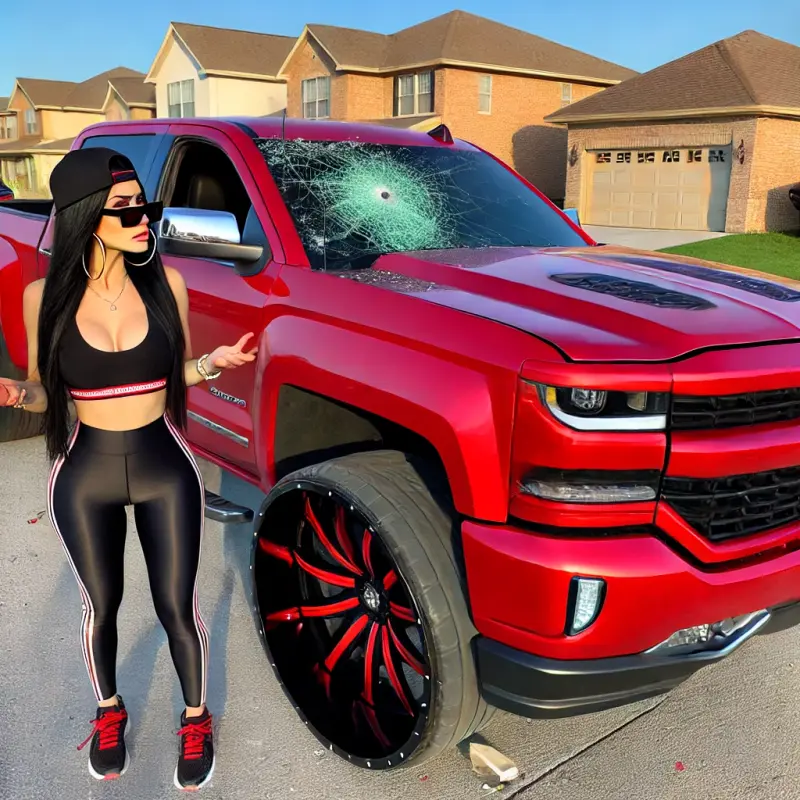
A few scenarios from the field
A 2019 Honda CR‑V came in from Lexington with a crack that ran from the passenger side to the camera mount. The owner had ignored a small chip through two heat waves. We installed OEM-equivalent acoustic glass, then ran static and dynamic calibrations. The dynamic step failed twice on a rainy afternoon because the lane markings glared under wet conditions. We rescheduled the drive for the next morning, dry roads, and passed on the first loop. Total time in shop: five hours across two visits. The owner asked why it took two trips. I showed him the calibration report and the manufacturer’s dynamic spec that calls for clear, visible lane lines. He walked out understanding that the delay wasn’t fluff.
A delivery van that logged 50,000 miles a year presented another puzzle. The camera sat behind tinted film the fleet had applied to control heat. The ADAS struggled to lock onto lane lines after a replacement by another shop. We removed the film from the camera’s viewing area, re-bonded a correct camera bracket, and calibrated. Nighttime alerts quieted, and the driver finally trusted the system again. Sometimes the fix is as simple as letting the camera see.
A luxury sedan with a heads-up display highlights glass quality issues. The aftermarket pane the owner chose to save money produced a double image in the HUD. We warned him of the risk during booking, but he wanted to try. One week later, we swapped to OEM glass. The double image disappeared. He paid more overall than if he had started with OEM. Not all aftermarket glass causes HUD ghosting, but the risk is higher. An honest conversation upfront avoids this dance.
Safety and the details you do not see
Good work is often invisible. The pinch weld, the narrow steel lip that the glass bonds to, must be clean and primed. If a tech scratches it during removal and fails to prime, corrosion creeps in. In a year, rust undermines adhesion. I still remember a truck from Irmo with rust bubbles along the top edge. The previous replacement had left bare metal. We removed the glass, treated the rust, and repainted the channel before bonding. It cost the owner half a day, but he left with a secure windshield and a body free from a creeping problem.
Wiper condition plays a role too. New glass with old, hardened wiper rubber turns the first rain into a chatter fest, and the vibration stresses the new bead while it finishes curing. I recommend new wipers with every windshield. They cost little and save noise, streaks, and micro-scratches.
Parking after replacement matters. Avoid slamming doors for the first day; the pressure spike inside the cabin can push against uncured urethane. Do not aim car washes at the top edges for 24 to 48 hours. And resist taping over moldings yourself. Tape marks on painted pillars bake in if left under summer sun, and tape can trap moisture where you do not want it.
What “calibration capable” really means
A shop that advertises windshield calibration in Columbia should be prepared for edge cases. Lifted SUVs sit outside factory ride height specs. If your Tacoma rides two inches higher, the camera’s pitch angle changes. Some systems allow the calibration to normalize, others expect stock geometry. You need a tech who knows whether to ballast the truck, enter a height offset, or refer you to a dealer-level system. European models can be strict about target distances that barely fit in small bays. I have measured 20 meters to a front target using a laser in a warehouse bay because a compact shop could not stretch the setup. That level of precision is not optional when the software demands it.
Firmware updates also surprise people. During calibration, the scan tool may flag an ADAS module with outdated software. Updating takes time and stable battery voltage. If your alternator is weak or the battery marginal, the update can fail. A prepared shop keeps a power supply connected during flashing and checks charging health at intake to avoid bricking a module. That competence separates a glass swap from a full safety system service.
Timing, supply, and being flexible
Columbia’s parts supply is decent, but certain moldings and specialty glasses go on backorder during model refreshes and after hail storms. I have seen ETAs swing from two days to three weeks for specific trim pieces. A shop with multiple distributors has an advantage, and sometimes the best move is to source an OEM pane from a dealer even if it means a slight delay. The extra day beats installing a pane from a lot that has been mishandled, with tiny edge chips that become cracks months later.
If you need the car the same day and the only barrier is a cosmetic molding, a shop can discuss temporary solutions that seal correctly and meet safety standards, then return to install the precise trim when it arrives. Clear conversation about trade-offs keeps expectations realistic.
Where mobile, shop, and dealership work intersect
There is no single best answer to where to get your glass handled. A strong independent might be the best auto glass shop in Columbia for most vehicles because they balance cost, convenience, and experience. Dealerships excel when your model has unusual HUD optics or obscure part numbers. Mobile service shines when your schedule is tight and the job suits the environment. Mix and match smartly. If you choose mobile for the glass but return to the shop for calibration, plan your day accordingly. If your insurer directs you to a network provider, you can still request a specific shop if you have a preference, as long as the pricing fits the carrier’s program.
Small habits that extend windshield life
Clean glass with an ammonia-free cleaner and a dedicated microfiber that does not shed lint. Wipe wiper blades with a damp towel every fuel stop or two. Keep a few car lengths behind gravel trucks and avoid hugging the bumper of vehicles with uncovered loads. Do not blast a hot windshield with ice-cold air immediately; step the temperature down over a minute. If you notice a chip, schedule windshield chip repair in Columbia promptly. Most shops can meet you the same day for small repairs, and many will treat a quick resin fill as a while-you-wait task.
Final thoughts from the bay
Windshield work looks simple from a distance: remove, replace, drive. In practice, the job blends bodywork discipline, adhesive chemistry, optics, and electronics. When ADAS enters the picture, you are not just swapping glass; you are restoring a safety system that depends on millimeters and angles. Whether you schedule mobile auto glass repair in Columbia for a lunchtime chip, line up a full windshield replacement in Columbia after a storm, or arrange rear glass on a hatchback that met a falling branch, focus on the shop’s process. Ask about calibration capabilities, adhesive cure times, and part quality. Check how they handle insurance auto glass repair in Columbia and whether they document their work. If you get clear answers instead of vague reassurances, you are on the right track.
I have seen the benefit of doing this right when a driver returns to say their lane assist feels steady again or when a family leaves for a beach trip with a windshield that no longer warps their night view. That peace of mind is the goal. It comes from careful steps and respect for the systems hiding behind a pane of glass.